fbpx

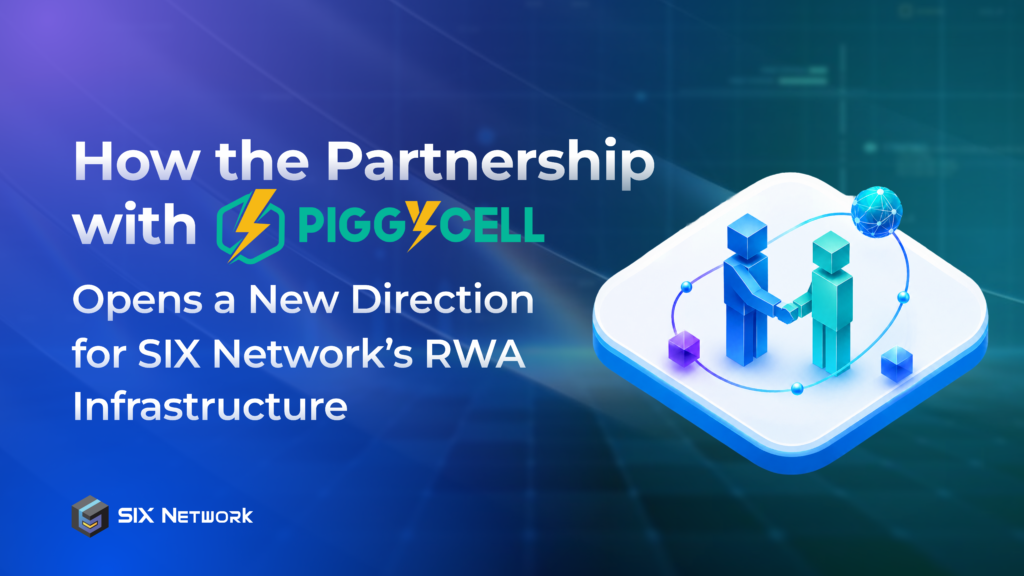
ความร่วมมือกับ Piggycell สะท้อนทิศทางใหม่ของ RWA Infrastructure สำหรับ SIX Network อย่างไร

ความร่วมมือกับ Piggycell สะท้อนทิศทางใหม่ของ RWA Infrastructure สำหรับ SIX Network อย่างไร

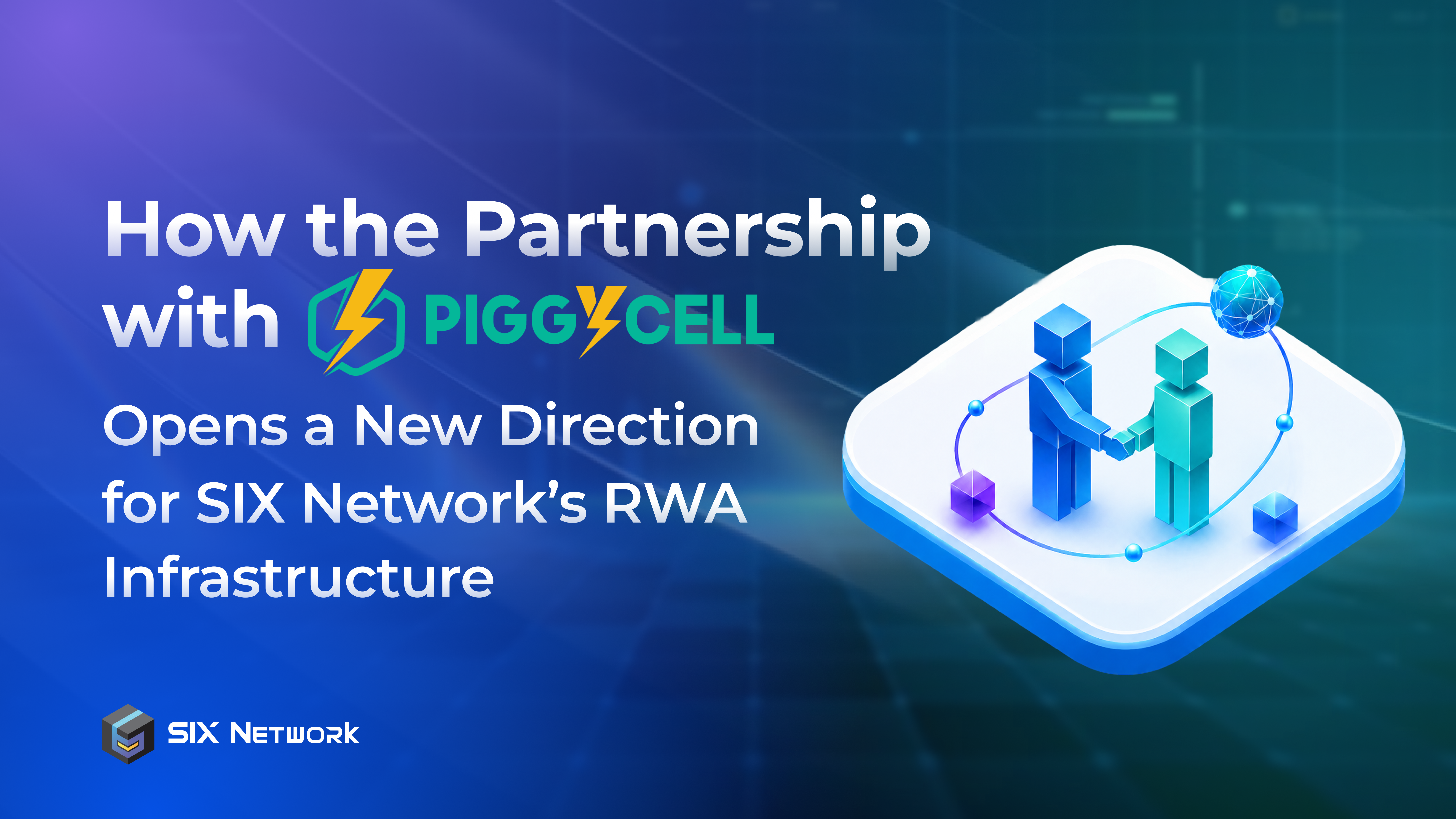
How the Partnership with Piggycell Opens a New Direction for RWA Infrastructure at SIX Network

จากการประกาศความร่วมมือกับ Piggycell บริษัท RWA Infrastructure ด้านพลังงานจากประเทศเกาหลีใต้ หลายคนอาจมีคำถามเพิ่มเติมว่า ความร่วมมือครั้งนี้สะท้อนทิศทางเชิงโครงสร้างของ SIX Network อย่างไร และเกี่ยวข้องกับการขยายบทบาทของ RWA Tokenization ระหว่างประเทศไทยและเกาหลีใต้ในมิติใดบ้าง

ในช่วงที่ผ่านมา RWA มักถูกพูดถึงในบริบทของสินทรัพย์ทางการเงินเป็นหลัก ไม่ว่าจะเป็นพันธบัตร กองทุน อสังหาริมทรัพย์ หรือสินทรัพย์จากฝั่งสถาบันการเงิน อย่างไรก็ตาม ภาพของตลาด RWA กำลังเริ่มกว้างขึ้นตามการเติบโตของ tokenization ในระดับโลก โดยหลายสำนักประเมินว่าตลาด tokenized RWA มีโอกาสขยายสู่ระดับ trillion-dollar market ภายในปี 2030 แม้ตัวเลขคาดการณ์จะแตกต่างกันตามสมมติฐานของแต่ละรายงานก็ตาม


สิ่งสำคัญสำหรับ SIX Network ในระยะถัดไป คือการเตรียมโครงสร้างพื้นฐานที่สามารถรองรับสินทรัพย์จริงได้หลากหลายประเภทมากขึ้น และนี่คือบริบทสำคัญที่ทำให้ความร่วมมือกับ Piggycell เป็นอีกหนึ่งโอกาสในการสำรวจ use case ใหม่ ๆ ของ RWA


ทิศทางของ SIX Network: RWA Infrastructure
ที่รองรับสินทรัพย์ได้หลากหลายขึ้น


สำหรับ SIX Network นี่คือทิศทางสำคัญของการพัฒนา RWA Infrastructure ในระยะถัดไป


เป้าหมายของ SIX Network ไม่ได้หยุดอยู่ที่การนำสินทรัพย์เข้าสู่บล็อกเชน แต่คือการสร้างโครงสร้างพื้นฐานที่สามารถรองรับสินทรัพย์ได้หลากหลายประเภทมากขึ้น ทั้งสินทรัพย์จากฝั่งสถาบันการเงิน และสินทรัพย์จริงประเภทใหม่ ๆ ที่สามารถเชื่อมต่อกับระบบดิจิทัลได้อย่างเป็นระบบ


ความร่วมมือกับ Piggycell จึงเป็นหนึ่งในสัญญาณของความคืบหน้าที่สะท้อนทิศทางนี้อย่างชัดเจน เพราะเป็นกรณีที่ทำให้ SIX Network ได้ขยายมุมมองของ RWA จาก financial assets ไปสู่ physical assets ที่มีการใช้งานจริงในชีวิตประจำวัน


Piggycell Case Study เมื่อ RWA เชื่อมต่อกับพลังงานเคลื่อนที่ ผ่าน DePIN


Piggycell พัฒนา RWA Infrastructure สำหรับพลังงานเคลื่อนที่ โดยนำโครงสร้างพื้นฐานอย่างสถานีชาร์จ พาวเวอร์แบงก์ และอุปกรณ์พลังงานขนาดเล็กมาเชื่อมต่อกับระบบ Web3 ผ่านแนวคิด DePIN 


ในภาพรวม DePIN คือแนวคิดที่ใช้บล็อกเชนเชื่อมต่อโครงสร้างพื้นฐานและสินทรัพย์จริงเข้ากับระบบดิจิทัล ไม่ว่าจะเป็นอุปกรณ์ เครือข่าย พลังงาน หรือจุดให้บริการต่าง ๆ เพื่อให้โครงสร้างพื้นฐานเหล่านี้สามารถบันทึกข้อมูลการใช้งาน ติดตามสถานะของอุปกรณ์ เชื่อมโยงกลไก incentive และเปิดให้ผู้ใช้งานหรือภาคธุรกิจเข้ามามีส่วนร่วมกับเครือข่ายได้มากขึ้น ซึ่งทำให้ DePIN กลายเป็นหนึ่งในหมวด Web3 ที่จับต้องได้มากขึ้นในบริบทของการใช้งานจริง


โครงสร้างที่ทำให้ RWA จับต้องได้มากขึ้น 


หนึ่งใน use case ที่น่าสนใจของ Piggycell คือการเชื่อมโยงอุปกรณ์พลังงานจริงเข้ากับ NFT ซึ่งทำหน้าที่เป็นตัวแทนของอุปกรณ์หรือ node บนเชน โดยแต่ละ node สามารถเชื่อมโยงกับข้อมูลการใช้งาน สถานะการให้บริการ และกิจกรรมที่เกี่ยวข้องกับ smart contract ได้ แนวทางนี้ช่วยให้ผู้ใช้งานหรือภาคธุรกิจสามารถมีส่วนร่วมกับโครงสร้างพื้นฐานพลังงานผ่านระบบ Web3 ได้มากขึ้น โดยไม่จำกัดอยู่เพียงการใช้งานในรูปแบบเดิม


ในมุมของ RWA สิ่งนี้สะท้อนให้เห็นว่าสินทรัพย์ที่ถูก tokenized ไม่จำเป็นต้องเป็นสินทรัพย์ทางการเงินเพียงอย่างเดียว แต่อาจเป็น energy node หรืออุปกรณ์จริงที่มีการใช้งาน มีข้อมูล และมีบทบาทในโครงสร้างพื้นฐานของเมืองยุคใหม่


ในมุมของ DePIN การเชื่อมต่อ charging stations, power banks และ energy devices เข้ากับบล็อกเชน ช่วยให้โครงสร้างพื้นฐานเหล่านี้ไม่ได้เป็นเพียงอุปกรณ์ที่ให้บริการแบบแยกส่วน แต่สามารถมีข้อมูลการใช้งาน สถานะของอุปกรณ์ และกิจกรรมที่เกี่ยวข้องกับผู้ใช้งานถูกบันทึกไว้ในระบบดิจิทัลได้มากขึ้น สิ่งนี้ช่วยเพิ่มความโปร่งใสในการติดตามการใช้งาน และเปิดโอกาสให้ผู้ใช้งาน ภาคธุรกิจ หรือผู้มีส่วนเกี่ยวข้องเข้ามามีบทบาทในเครือข่ายได้มากกว่าเดิม


โอกาสสำคัญของ SIX Network


สำหรับ SIX Network การร่วมเป็นพาร์ทเนอร์กับ Piggycell จึงไม่ใช่เพียงการขยายเครือข่ายระหว่างไทยและเกาหลีใต้ แต่เป็นโอกาสในการสำรวจการ tokenized สินทรัพย์จริงในกลุ่มพลังงาน และทำความเข้าใจว่า RWA Infrastructure สามารถรองรับ use case ที่หลากหลายกว่าเดิมได้อย่างไรบ้าง


นี่คือการขยายบทบาทของ SIX Network จากการพัฒนาโครงสร้างพื้นฐานสำหรับ RWA ในเชิงสินทรัพย์ ไปสู่การสำรวจสินทรัพย์จริงที่มีการใช้งานในชีวิตประจำวันมากขึ้น โดยเฉพาะในตลาดที่มีความพร้อมด้านดิจิทัลสูงอย่างเกาหลีใต้ ซึ่งมี internet penetration ในระดับสูง และมีระบบนิเวศเทคโนโลยีที่เอื้อต่อการทดลอง use case ใหม่ ๆ


ในระยะยาว การเติบโตของ RWA อาจไม่ได้เกิดจากสินทรัพย์ประเภทใดประเภทหนึ่งเท่านั้น แต่จะเกิดจากการที่สินทรัพย์จริงหลายรูปแบบสามารถเชื่อมต่อกับระบบดิจิทัลได้อย่างเป็นระบบ ตั้งแต่สินทรัพย์ทางการเงิน ไปจนถึงโครงสร้างพื้นฐานพลังงานที่ผู้คนใช้งานอยู่ทุกวัน

เกี่ยวกับ Piggycell
Piggycell ผู้พัฒนา RWA Infrastructure สำหรับพลังงานเคลื่อนที่จากประเทศเกาหลีใต้ โดยมุ่งสร้างเครือข่ายพลังงานแบบกระจายศูนย์ที่สามารถติดตาม ตรวจสอบ และเปิดให้ผู้ใช้งาน ธุรกิจ และชุมชนมีส่วนร่วมผ่านเทคโนโลยีบล็อกเชนได้อย่างโปร่งใส 

Website | X | Telegram


เกี่ยวกับ SIX Network
SIX Network คือผู้พัฒนาโครงสร้างพื้นฐานบล็อกเชนสำหรับ Real-World Asset Tokenization และ Web3 adoption โดยมุ่งเน้นการเชื่อมต่อสินทรัพย์ในโลกจริงเข้ากับระบบดิจิทัลอย่างปลอดภัย โปร่งใส และรองรับการใช้งานในระดับธุรกิจ

ติดตามและอัปเดตข่าวสารเพิ่มเติมได้ที่: 

Website: https://six.network/
X: https://x.com/theSIXnetwork
FB: https://www.facebook.com/thesixnetwork/


และช่องทาง Community ของเรา:

Discord: http://discord.gg/sixnetwork
Telegram: https://t.me/+0BmqYVoV5j5lN2Jl

⎯⎯⎯⎯⎯⎯⎯⎯⎯⎯⎯⎯⎯⎯⎯⎯⎯⎯⎯⎯⎯⎯⎯⎯⎯⎯⎯⎯⎯⎯⎯⎯

หมายเหตุ:

1. บทความนี้จัดทำขึ้นเพื่อวัตถุประสงค์ในการให้ข้อมูลเท่านั้น ผู้ลงทุนควรศึกษาข้อมูลด้วยตนเองอย่างรอบคอบก่อนตัดสินใจลงทุนในสินทรัพย์ดิจิทัลหรือคริปโทเคอร์เรนซี

2. คริปโทเคอร์เรนซีและโทเคนดิจิทัลมีความเสี่ยงสูง ผู้ลงทุนอาจสูญเสียเงินลงทุนทั้งหมดได้ จึงควรศึกษาข้อมูลอย่างรอบคอบ และตัดสินใจลงทุนให้เหมาะสมกับระดับความเสี่ยงที่ตนเองยอมรับได้


Don’t miss out follow us at:

Warisara Thepsiri
Warisara Thepsiri

Experience the magic of Blockchain with SIX Network!

Related Posts

SIX Network Announces Strategic Partnership with Piggycell to Advance RWA Between Thailand and South Korea

SIX Network ประกาศความร่วมมือเชิงกลยุทธ์กับ Piggycell เพื่อร่วมผลักดัน RWA ระหว่างไทยและเกาหลีใต้

SIX Network ประกาศความร่วมมือเชิงกลยุทธ์กับ Piggycell บริษัทจากเกาหลีใต้ที่พัฒนาโครงสร้างพื้นฐาน Real-World Asset สำหรับพลังงานเคลื่อนที่ ภายใต้แนวคิด RWA Infrastructure for Mobile โดย Piggycell นำพลังงานในโลกจริง มาเชื่อมต่อกับระบบ Web3 ผ่าน DePIN

Read More

SIX Network ประกาศความร่วมมือเชิงกลยุทธ์กับ Piggycell เพื่อร่วมผลักดัน RWA ระหว่างไทยและเกาหลีใต้

SIX Network ประกาศความร่วมมือเชิงกลยุทธ์กับ Piggycell เพื่อร่วมผลักดัน RWA ระหว่างไทยและเกาหลีใต้

SIX Network Announces Strategic Partnership with Piggycell to Advance RWA Between Thailand and South Korea

SIX Network ประกาศความร่วมมือเชิงกลยุทธ์กับ Piggycell บริษัทจากเกาหลีใต้ที่พัฒนาโครงสร้างพื้นฐาน Real-World Asset สำหรับพลังงานเคลื่อนที่ ภายใต้แนวคิด RWA Infrastructure for Mobile โดย Piggycell นำพลังงานในโลกจริง มาเชื่อมต่อกับระบบ Web3 ผ่าน DePIN หรือ Decentralized Physical Infrastructure Networks 


ซึ่งเป็นครั้งแรกของ SIX Network ที่สำรวจการประยุกต์ใช้ RWA Infrastructure กับสินทรัพย์จริงที่เชื่อมต่อกับระบบบล็อกเชน เพื่อผลักดันให้ Last Mile Energy สามารถเข้าถึงได้อย่างโปร่งใส และเชื่อมต่อกับเศรษฐกิจดิจิทัลได้มากขึ้น

ความร่วมมือระหว่าง RWA Infrastructure ไทยและเกาหลีใต้


ความร่วมมือระหว่าง SIX Network และ Piggycell จะมุ่งเน้นการแลกเปลี่ยนองค์ความรู้ การสนับสนุนการขยายเครือข่ายระหว่างประเทศไทยและเกาหลีใต้ รวมถึงการสำรวจโอกาสในการพัฒนา บล็อกเชน และ RWA Tokenization รวมถึงโซลูชันที่เกี่ยวข้องกับสินทรัพย์กายภาพในระดับภูมิภาค


Piggycell มองพลังงานในชีวิตประจำวันเป็นหนึ่งในโครงสร้างพื้นฐานที่มีบทบาทสำคัญต่อเมืองยุคใหม่ อย่างพาวเวอร์แบงก์ สถานีชาร์จ และจุดให้บริการพลังงานขนาดเล็ก แม้ธุรกรรมพลังงานเหล่านี้จะเกิดขึ้นในระดับเล็ก แต่เมื่อรวมกันแล้วกลับสะท้อนการใช้งานจำนวนมากในชีวิตประจำวัน ซึ่งสามารถพัฒนาไปสู่ระบบที่บริหารจัดการด้วยบล็อกเชน เพื่อเพิ่มความโปร่งใส และเปิดให้ผู้ใช้งานหรือกลุ่มธุรกิจเข้ามามีส่วนร่วมมากขึ้น


หนึ่งใน use case ของ Piggycell คือการเชื่อมโยงสถานีชาร์จหรืออุปกรณ์พลังงานขนาดเล็กเข้ากับ NFT ซึ่งทำหน้าที่เป็นตัวแทนกรรมสิทธิ์ของอุปกรณ์จริงบนเชน โดยแต่ละ node สามารถมีข้อมูลการใช้งาน สถานะการให้บริการ และประวัติกิจกรรมที่เชื่อมต่อกับระบบ smart contract ได้ แนวทางนี้สะท้อนการประยุกต์ใช้ RWA และ DePIN ในระดับโครงสร้างพื้นฐานจริง ที่ทำให้สินทรัพย์จริงสามารถถูกบริหาร จัดการ และมีส่วนร่วมผ่านระบบบล็อกเชนได้มากขึ้น


ในขณะเดียวกัน SIX Network ยังคงเดินหน้าพัฒนาบล็อกเชน สำหรับการนำสินทรัพย์ในโลกจริงเข้าสู่ระบบดิจิทัลอย่างเป็นระบบ ผ่านแนวทางที่ให้ความสำคัญกับการใช้งานจริง ความน่าเชื่อถือ การเชื่อมต่อระหว่างระบบ และการรองรับการเติบโตของภาคธุรกิจในระยะยาว


ประเทศไทยและเกาหลีใต้ต่างเป็นตลาดที่มีความพร้อมในมิติที่แตกต่างกัน ทั้งด้านเทคโนโลยี ผู้ใช้งานดิจิทัล โครงสร้างธุรกิจ และการเติบโตของเศรษฐกิจดิจิทัล ความร่วมมือครั้งนี้จึงไม่ใช่เพียงการเชื่อมต่อระหว่างสองบริษัท แต่เป็นอีกหนึ่งก้าวของการสร้างสะพานระหว่างระบบนิเวศ Web3 ของทั้งสองประเทศ เพื่อผลักดันการประยุกต์ใช้ RWA ให้เข้าใกล้การใช้งานจริงมากขึ้น


ขยายบทบาท RWA จากความร่วมมือระดับภูมิภาค
สู่โอกาสในระดับโลก

สำหรับ SIX Network เป้าหมายของ RWA ไม่ได้หยุดอยู่ที่การนำสินทรัพย์เข้าสู่บล็อกเชนเท่านั้น แต่คือการเติบโตไปพร้อมกับมูลค่าและความหลากหลายของตลาด RWA ที่กำลังขยายตัวทั่วโลก ทั้งในกลุ่มสินทรัพย์จากสถาบันการเงิน และสินทรัพย์ประเภทใหม่ ๆ ที่สามารถเชื่อมต่อกับระบบดิจิทัลได้อย่างเป็นระบบ


ทิศทางดังกล่าวสอดคล้องกับแผนงานของ SIX Network ในปีนี้ ที่เรามีแผนเดินหน้ามองหาโอกาสความร่วมมือกับสินทรัพย์จากฝั่งสถาบันการเงินมากขึ้น ควบคู่ไปกับการขยายประเภทสินทรัพย์บน SIX Protocol ให้หลากหลายกว่าเดิม เพื่อรองรับการใช้งาน RWA ในบริบทที่กว้างขึ้น ทั้งในระดับภูมิภาค และระดับสากล


การร่วมมือกับ Piggycell จึงเป็นอีกหนึ่งหมุดหมายสำคัญในการเชื่อมโยงศักยภาพของระบบนิเวศ Web3 ระหว่างไทยและเกาหลีใต้ พร้อมเปิดโอกาสให้ทั้งสองฝ่ายร่วมกันสำรวจการประยุกต์ใช้ RWA ในบริบทใหม่ ๆ ที่สามารถขยายผลไปสู่ตลาดระดับภูมิภาคและระดับโลกได้ในอนาคต


สำหรับ SIX Network ความร่วมมือครั้งนี้สะท้อนความตั้งใจในการพัฒนา RWA ที่ไม่เพียงรองรับการใช้งานภายในประเทศใดประเทศหนึ่ง แต่ยังขยายขอบเขตไปสู่บริบทของ DePIN และโครงสร้างพื้นฐานทางกายภาพที่เชื่อมต่อกับระบบ Web3 ได้มากขึ้น พร้อมต่อยอดสู่การเชื่อมโยงผู้ใช้งาน ธุรกิจ และสินทรัพย์จริงข้ามตลาด ข้ามอุตสาหกรรม และข้ามระบบนิเวศ เพื่อวางรากฐานสู่การเติบโตในระดับสากลอย่างยั่งยืนและเป็นรูปธรรม

เกี่ยวกับ Piggycell
Piggycell ผู้พัฒนา RWA Infrastructure สำหรับพลังงานเคลื่อนที่จากประเทศเกาหลีใต้ โดยมุ่งสร้างเครือข่ายพลังงานแบบกระจายศูนย์ที่สามารถติดตาม ตรวจสอบ และเปิดให้ผู้ใช้งาน ธุรกิจ และชุมชนมีส่วนร่วมผ่านเทคโนโลยีบล็อกเชนได้อย่างโปร่งใส 

Website | X | Telegram


เกี่ยวกับ SIX Network
SIX Network คือผู้พัฒนาโครงสร้างพื้นฐานบล็อกเชนสำหรับ Real-World Asset Tokenization และ Web3 adoption โดยมุ่งเน้นการเชื่อมต่อสินทรัพย์ในโลกจริงเข้ากับระบบดิจิทัลอย่างปลอดภัย โปร่งใส และรองรับการใช้งานในระดับธุรกิจ

ติดตามและอัปเดตข่าวสารเพิ่มเติมได้ที่: 

Website: https://six.network/
X: https://x.com/theSIXnetwork
FB: https://www.facebook.com/thesixnetwork/


และช่องทาง Community ของเรา:

Discord: http://discord.gg/sixnetwork
Telegram: https://t.me/+0BmqYVoV5j5lN2Jl

⎯⎯⎯⎯⎯⎯⎯⎯⎯⎯⎯⎯⎯⎯⎯⎯⎯⎯⎯⎯⎯⎯⎯⎯⎯⎯⎯⎯⎯⎯⎯⎯

หมายเหตุ:

1. บทความนี้จัดทำขึ้นเพื่อวัตถุประสงค์ในการให้ข้อมูลเท่านั้น ผู้ลงทุนควรศึกษาข้อมูลด้วยตนเองอย่างรอบคอบก่อนตัดสินใจลงทุนในสินทรัพย์ดิจิทัลหรือคริปโทเคอร์เรนซี

2. คริปโทเคอร์เรนซีและโทเคนดิจิทัลมีความเสี่ยงสูง ผู้ลงทุนอาจสูญเสียเงินลงทุนทั้งหมดได้ จึงควรศึกษาข้อมูลอย่างรอบคอบ และตัดสินใจลงทุนให้เหมาะสมกับระดับความเสี่ยงที่ตนเองยอมรับได้


Don’t miss out follow us at:

Warisara Thepsiri
Warisara Thepsiri

Experience the magic of Blockchain with SIX Network!

Related Posts

SIX Network Announces Strategic Partnership with Piggycell to Advance RWA Between Thailand and South Korea

SIX Network ประกาศความร่วมมือเชิงกลยุทธ์กับ Piggycell เพื่อร่วมผลักดัน RWA ระหว่างไทยและเกาหลีใต้

SIX Network ประกาศความร่วมมือเชิงกลยุทธ์กับ Piggycell บริษัทจากเกาหลีใต้ที่พัฒนาโครงสร้างพื้นฐาน Real-World Asset สำหรับพลังงานเคลื่อนที่ ภายใต้แนวคิด RWA Infrastructure for Mobile โดย Piggycell นำพลังงานในโลกจริง มาเชื่อมต่อกับระบบ Web3 ผ่าน DePIN

Read More

SIX Network Announces Strategic Partnership with Piggycell to Advance RWA Between Thailand and South Korea

SIX Network Announces Strategic Partnership with Piggycell to Advance RWA Between Thailand and South Korea

SIX Network Announces Strategic Partnership with Piggycell to Advance RWA Between Thailand and South Korea

SIX Network announces a strategic partnership with Piggycell, a South Korea-based company developing Real-World Asset infrastructure for mobile energy under the concept of RWA Infrastructure for Mobile. Piggycell connects real-world energy assets with Web3 through DePIN, or Decentralized Physical Infrastructure Networks.


This marks the first time SIX Network is exploring the application of RWA Infrastructure with real-world assets connected to blockchain systems, supporting the development of Last Mile Energy that is more accessible, transparent, and connected to the digital economy.

Collaboration Between RWA Infrastructure in

Thailand and South Korea

The collaboration between SIX Network and Piggycell will focus on knowledge exchange, network expansion support between Thailand and South Korea, and the exploration of opportunities in blockchain development, RWA Tokenization, and solutions related to physical assets at the regional level.


Piggycell views everyday energy as one of the essential infrastructure layers for modern cities, including power banks, charging stations, and small-scale energy service points. Although these energy transactions occur at a micro level, collectively they represent a significant volume of daily usage. This can be further developed into a blockchain-managed system to enhance transparency and enable greater participation from users and businesses.


One of Piggycell’s use cases is the connection of charging stations or small-scale energy devices with NFTs, which serve as on-chain representations of ownership for real-world devices. Each node can be linked to usage data, service status, and activity records connected to smart contracts. This approach reflects the application of RWA and DePIN at the real infrastructure level, enabling real-world assets to be managed, operated, and participated in through blockchain systems.


At the same time, SIX Network continues to develop blockchain infrastructure for systematically bringing real-world assets into digital systems, with a focus on real-world usability, reliability, interoperability, and long-term business scalability.


Thailand and South Korea each bring readiness in different dimensions, including technology, digital users, business infrastructure, and digital economy growth. This partnership is therefore not only a connection between two companies but also another step toward building a bridge between the Web3 ecosystems of both countries, helping bring RWA applications closer to real-world adoption.


Expanding the Role of RWA From Regional

Collaboration to Global Opportunities

For SIX Network, the goal of RWA does not stop at bringing assets onto the blockchain. It is about growing alongside the increasing value and diversity of the global RWA market, including assets from financial institutions and new asset classes that can be systematically connected to digital systems.


This direction aligns with SIX Network’s roadmap this year, as we continue to explore more collaboration opportunities with assets from the financial institution sector, while expanding the range of asset types on SIX Protocol to support broader RWA use cases across regional and global contexts.

The partnership with Piggycell is therefore another important milestone in connecting the potential of the Web3 ecosystems between Thailand and South Korea. It also opens opportunities for both parties to jointly explore new RWA applications that can be expanded into regional and global markets in the future.


For SIX Network, this partnership reflects our commitment to developing RWA that not only supports usage within a single country but also extends into the context of DePIN and physical infrastructure connected to Web3. It further enables the connection of users, businesses, and real-world assets across markets, industries, and ecosystems, laying the foundation for sustainable and practical growth at a global level.

About Piggycell

Piggycell is a South Korea-based developer of RWA Infrastructure for mobile energy, aiming to build a decentralized energy network that can be tracked, verified, and opened for participation by users, businesses, and communities through transparent blockchain technology.


Website | X | Telegram


About SIX Network

SIX Network is a blockchain infrastructure developer for Real-World Asset Tokenization and Web3 adoption, focusing on connecting real-world assets with digital systems in a secure, transparent, and business-ready manner.

Follow every update at
Website: https://six.network/
X: https://x.com/theSIXnetwork
FB: https://www.facebook.com/thesixnetwork/


And our community channels:

Discord: http://discord.gg/sixnetwork
Telegram: https://t.me/+0BmqYVoV5j5lN2Jl

⎯⎯⎯⎯⎯⎯⎯⎯⎯⎯⎯⎯⎯⎯⎯⎯⎯⎯⎯⎯⎯⎯⎯⎯⎯⎯⎯⎯⎯⎯⎯⎯

Disclaimer:

1.This article is intended for informational purposes only. Please conduct your own research before making any investment decisions related to cryptocurrencies 2. Cryptocurrency and digital token involve high risk; investors may lose all investment money and should study information carefully and make investments according to their own risk profile.


Don’t miss out follow us at:

Warisara Thepsiri
Warisara Thepsiri

Experience the magic of Blockchain with SIX Network!

Related Posts

SIX Network Announces Strategic Partnership with Piggycell to Advance RWA Between Thailand and South Korea

SIX Network ประกาศความร่วมมือเชิงกลยุทธ์กับ Piggycell เพื่อร่วมผลักดัน RWA ระหว่างไทยและเกาหลีใต้

SIX Network ประกาศความร่วมมือเชิงกลยุทธ์กับ Piggycell บริษัทจากเกาหลีใต้ที่พัฒนาโครงสร้างพื้นฐาน Real-World Asset สำหรับพลังงานเคลื่อนที่ ภายใต้แนวคิด RWA Infrastructure for Mobile โดย Piggycell นำพลังงานในโลกจริง มาเชื่อมต่อกับระบบ Web3 ผ่าน DePIN

Read More

Tokenization Signals: Why RWA Is the Trend of This Year

Tokenization Signals: Why RWA Is the Trend of This Year

Tokenization Signals: Why RWA Is the Trend of This Year. 6 Signals That Make 2026 Different From Every Year Before

Welcome to the Tokenization Signals series, an update on signals and growth in the RWA market, and what SIX is developing around Asset Tokenization. This series begins with a deep dive into why RWA has become the trend everyone is talking about this year.


Many voices in the industry are saying the same thing: we are entering an era of serious RWA Tokenization. Beyond the growth numbers visible in total market value, there are several other interesting data points that support this narrative.

From Narrative to the Era of RWA Adoption

RWA started out as one solution within the digital asset space, focused on improving liquidity and enabling fractional ownership so that retail investors could access high-value assets more easily. Looking back at 2022, the RWA market was valued at around $2 billion, and the market as a whole has grown more than 20 times over the past three years. By late 2024, the figure had moved to $7.9 billion.


Then on May 10, 2026, rwa.xyz reported that the RWA market crossed $30 billion for the first time. That number is still small compared to the total value of traditional financial assets globally, which stands at over $450 trillion, meaning there is still an enormous amount of room left to grow.


This is the signal that RWA has truly moved from the narrative phase into real adoption. And what confirms this most clearly is not just the numbers, but where the growth is coming from. This expansion has not been driven by speculation. It has been driven by BlackRock, Ondo Finance, and Circle leading institutional RWA adoption, with private credit already overtaking treasuries as the largest asset segment in the market. When this group starts moving, it is no longer an experiment.


6 Signals That Make 2026 Different From Every Year Before


1. The Legal Framework at the Institutional Level Is Becoming Clearer

2025 was a turning point. The United States passed the GENIUS Act, the first federal-level legal framework to clearly define standards for stablecoins. Since stablecoins are the payment rails on which tokenized assets move, this legislation opened the door for financial institutions to plan long-term around tokenized assets without worrying about the kind of legal ambiguity that existed before. The Clarity Act, expected to pass in 2026, is set to remove further barriers on the digital assets side.


2. Tokenized Treasuries and Private Credit Are Surging

Tokenized U.S. Treasuries reached $13.4 billion in early April 2026, and private credit has already overtaken treasuries to become the largest segment in the RWA market. The most conservative assets in global finance are now running on blockchain.


3. Tokenized Gold Holds 98% of the Commodities Market

Tokenized gold generated $90.7 billion in spot trading volume in Q1 2026 alone, more than the entire 2025 total of $84.6 billion. And according to a16z crypto data, gold accounts for 98% of the entire tokenized commodities market at a value of $5 billion. This proves that when an asset has strong credibility and the market understands its value, capital flows in at scale.


4. Pokémon and One Piece Card Pulls on Blockchain

This signal may not look like it belongs in a conversation about institutional finance, but it says something much deeper, tokenization is already expanding into a wide range of consumer-facing asset classes.


Phygitals, a tokenized collectibles platform on Solana, has recorded over $180 million in total trading volume and tokenized more than 100,000 cards across Pokémon, One Piece, sports cards, and figurines. Collector Crypt had tokenized over 130,000 trading cards on Solana as of May 15, 2026. And Beezie, a collectibles platform with over $142 million in ARR, announced its expansion to Solana in Q2 2026. A Pikachu Illustrator card also sold through Goldin Auctions for $16.5 million in February 2026.


The tokenized trading card market on Solana is not just a story for collectors. It is evidence that tokenization works at the consumer level without requiring people to feel like they are using crypto.


5. A New Group of Users Is Coming On-Chain Specifically Because of RWA

Chainalysis analyzed over 400,000 wallet addresses holding tokenized assets and found that after remaining relatively flat from 2022 through late 2024, the data now shows an explosive growth curve accelerating into 2026. A large number of new wallets were created specifically to hold RWA, not to speculate on crypto or NFTs. This means the RWA market is building a new user base that comes from the real financial world.


6. TradFi Infrastructure Is Moving Toward Tokenization

DTCC, the entity responsible for clearing every stock trade in the United States, announced on May 4, 2026 that it will begin production trades in July 2026 with a full launch planned for October 2026. More than 50 financial institutions are participating, including BlackRock, Goldman Sachs, JPMorgan, Circle, Ondo, and Ripple Prime, covering assets such as the Russell 1000, major ETF indices, and U.S. Treasuries.


Around the same time, Morgan Stanley began testing tokenized securities in parallel with its traditional systems, with the goal of connecting wealth advisors and family offices to the digitized public markets. And if Robinhood integrates DTCC-tokenized securities into its app, 23 million users could end up holding blockchain-based assets without realizing they are using blockchain at all.


Perhaps most notably, DTCC, Euroclear, Tradeweb, Citadel Securities, and Société Générale successfully completed the first cross-border intraday repo using tokenized UK gilts on the Canton Network in Q1 2026, while the Bank of England launched its Synchronisation Lab to explore tokenized settlement using central bank money.


Beyond these 6 signals, narratives around RWA from crypto experts continue to grow. It is a sign that the digital asset space now sees RWA as a market with genuinely increasing participation, particularly at the institutional level. And this is not a temporary trend,  based on current projections, RWA is expected to keep growing well into 2034.


RWA Projections for the Period Ahead

Standard Chartered projects the tokenized asset market will reach $30 trillion by 2034. BCG and Ripple estimate $18.9 trillion by 2033. Even conservative estimates suggest the market will cross $100 billion by the end of 2026.


From the current market value of over $30 billion, that means there is still hundreds of times more room left to grow.


SIX Network is building and preparing infrastructure to support the growth and expansion of the RWA market as more assets come on-chain. We develop SIX Protocol to support the tokenization of real-world assets at a level that is actually usable in practice, and SIX Garage brings together Tokenization, Compliance Controller, and Token Manager in one place, ready for bringing real assets on-chain.


2026 is not the year RWA began. It is the year the world started seeing together that it has already arrived. And the infrastructure to support it is ready too.
Follow every update at
Website: https://six.network/
X: https://x.com/theSIXnetwork
FB: https://www.facebook.com/thesixnetwork/


And our community channels:

Discord: http://discord.gg/sixnetwork
Telegram: https://t.me/+0BmqYVoV5j5lN2Jl

⎯⎯⎯⎯⎯⎯⎯⎯⎯⎯⎯⎯⎯⎯⎯⎯⎯⎯⎯⎯⎯⎯⎯⎯⎯⎯⎯⎯⎯⎯⎯⎯

Disclaimer:

1.This article is intended for informational purposes only. Please conduct your own research before making any investment decisions related to cryptocurrencies 2. Cryptocurrency and digital token involve high risk; investors may lose all investment money and should study information carefully and make investments according to their own risk profile.


Don’t miss out follow us at:

Warisara Thepsiri
Warisara Thepsiri

Experience the magic of Blockchain with SIX Network!

Related Posts

SIX Network Announces Strategic Partnership with Piggycell to Advance RWA Between Thailand and South Korea

SIX Network ประกาศความร่วมมือเชิงกลยุทธ์กับ Piggycell เพื่อร่วมผลักดัน RWA ระหว่างไทยและเกาหลีใต้

SIX Network ประกาศความร่วมมือเชิงกลยุทธ์กับ Piggycell บริษัทจากเกาหลีใต้ที่พัฒนาโครงสร้างพื้นฐาน Real-World Asset สำหรับพลังงานเคลื่อนที่ ภายใต้แนวคิด RWA Infrastructure for Mobile โดย Piggycell นำพลังงานในโลกจริง มาเชื่อมต่อกับระบบ Web3 ผ่าน DePIN

Read More