Since SIX Network first launched in 2018
It has been 8 years of building blockchain infrastructure and developing new projects, including our current focus on RWA Tokenization. Many people may know us through SIX Token, which is one of the key components that powers innovation within the ecosystem. However, the token is only one part of the system. There are multiple core components working together, enabling SIX Network to grow, scale, and evolve sustainably.
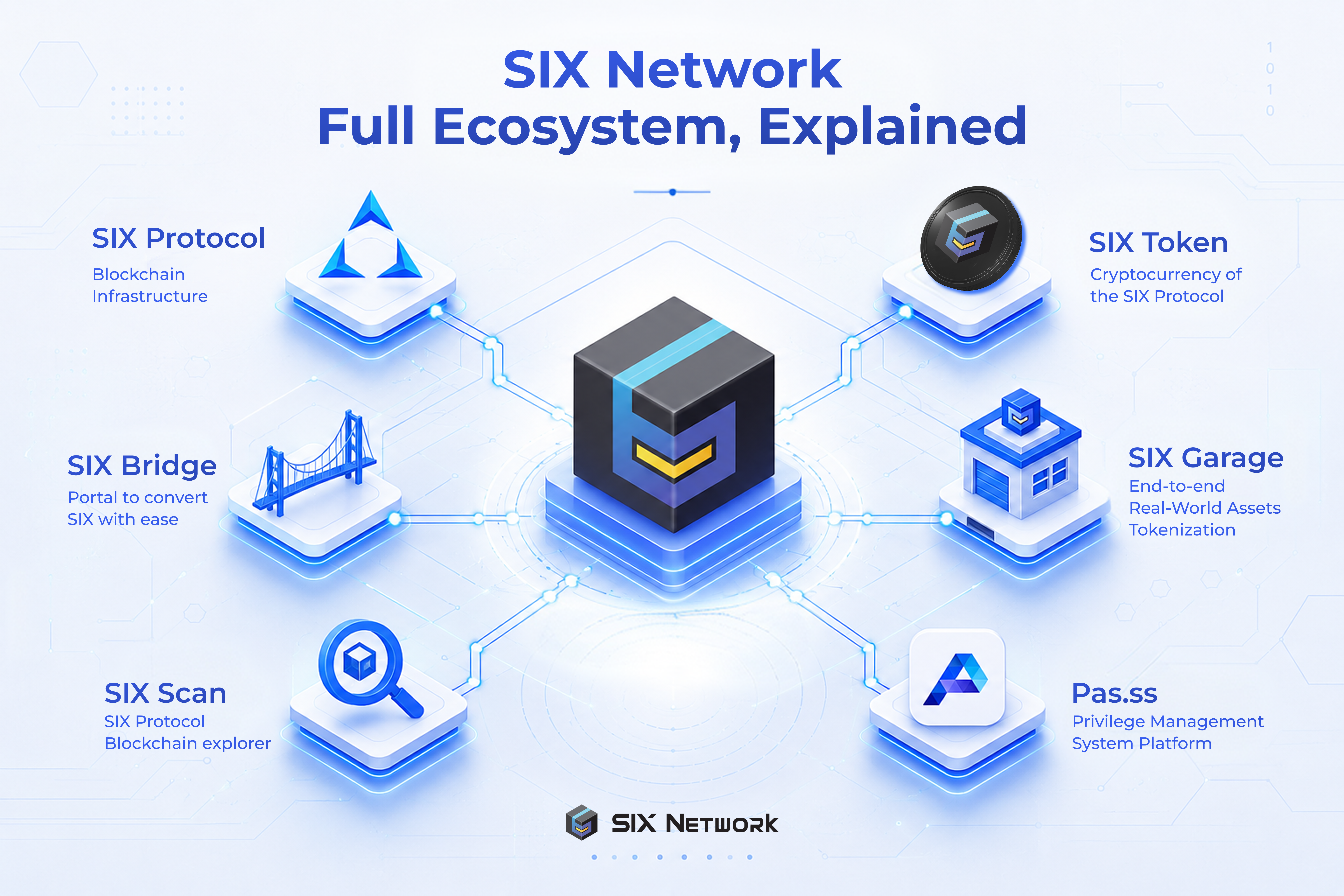
Today, the ecosystem consists of 6 main pillars: SIX Protocol, SIX Token, SIX Bridge, SIX Scan, SIX Garage, and Pas.ss
In this article, we will take a closer look at each component, why it matters, and what SIX is building across these six pillars.
1. SIX Protocol
Starting with SIX Protocol, the core blockchain infrastructure of SIX Network that acts as the foundation for everything we build.
SIX Protocol is currently a Layer 1 blockchain with full EVM compatibility, designed to support scalability and long term growth, including use cases for enterprises and institutional organizations.
More importantly, SIX Protocol plays a critical role in enabling RWA Tokenization. It supports various types of real world assets that need to be brought on chain. In terms of development, we also have SIX Garage, a tokenization framework designed for organizations that want to tokenize assets. SIX Protocol works as the core framework alongside Garage, allowing tokenization projects to be executed in a structured and compliant manner.
SIX Protocol is essential to the ecosystem in terms of transparency and verification. All transactions can be audited on chain, and tokenization processes can be structured systematically. Even Pas.ss, our on chain privilege management platform, operates on top of SIX Protocol.
2. SIX Token
The native cryptocurrency of SIX Network that acts as the primary fuel of the entire ecosystem.
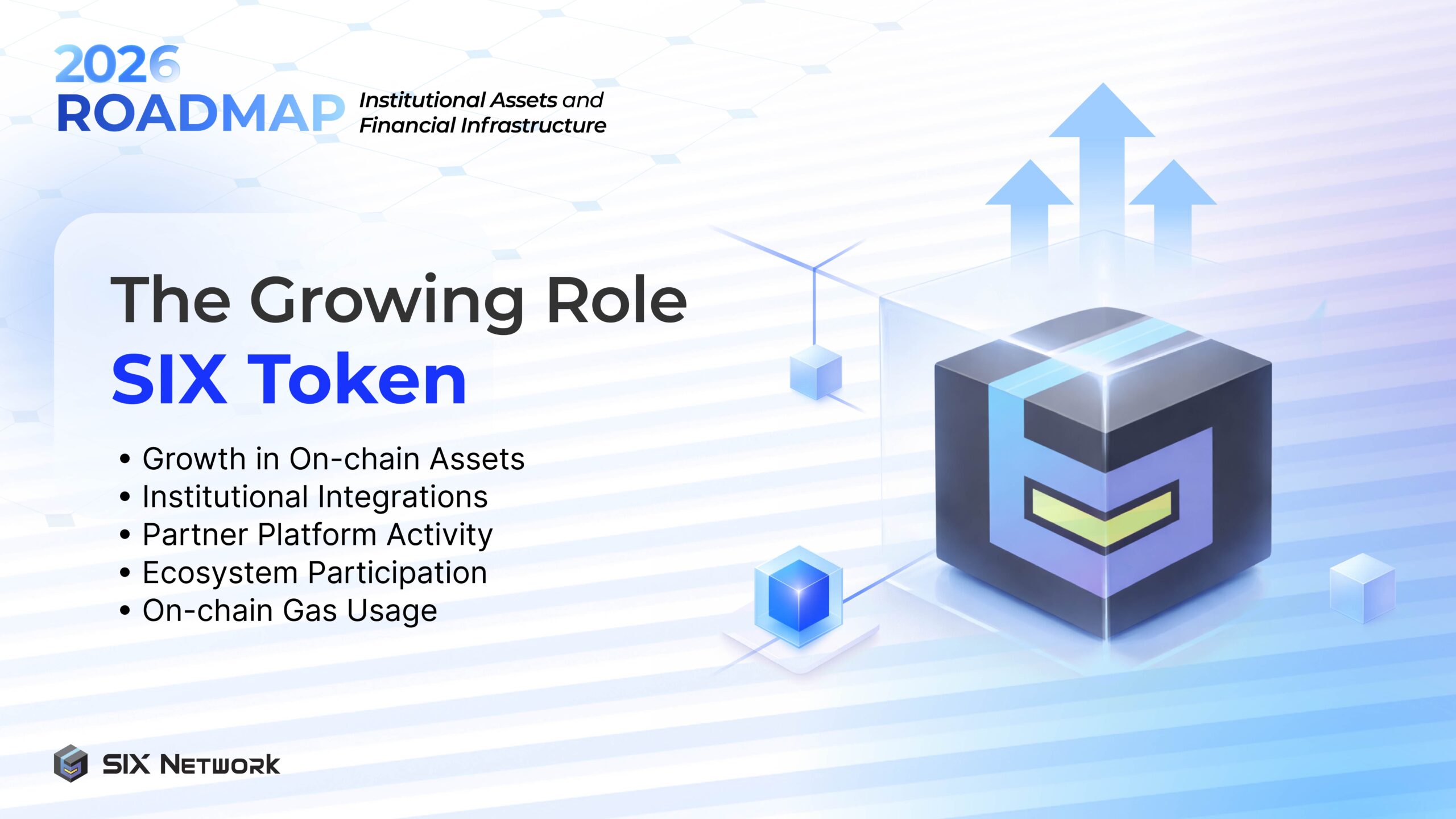
Many people know SIX Token as a tradable asset on exchanges, but its real role is as a utility token embedded across different processes within SIX Protocol, from being used as gas fees for on chain transactions to participating in ecosystem governance.
What makes SIX Token different from typical tokens is that its value is tied to real usage within the ecosystem, not just market sentiment. As more assets are tokenized through SIX Garage and more organizations adopt SIX Protocol, transaction volume on the network increases, which naturally drives demand for SIX Token as the system gas.
From a development perspective, SIX Token is directly connected to all parts of the ecosystem, including SIX Protocol as the main network, SIX Bridge for cross chain processes, and Pas.ss where tokens are used to unlock certain privileges. These connections make SIX Token more than just a project token. It is a fundamental part of the system that enables everything to function.
3. SIX Bridge
The layer that enables assets and data to move securely and verifiably across different networks.
SIX Bridge is a cross chain infrastructure that connects SIX Network with other blockchain ecosystems, making it easier for users to interact with SIX across multiple supported networks.
For enterprises and institutions, this is highly practical because they do not need to rebuild everything from scratch on SIX. They can gradually connect from their existing chains, reducing friction in real world adoption.
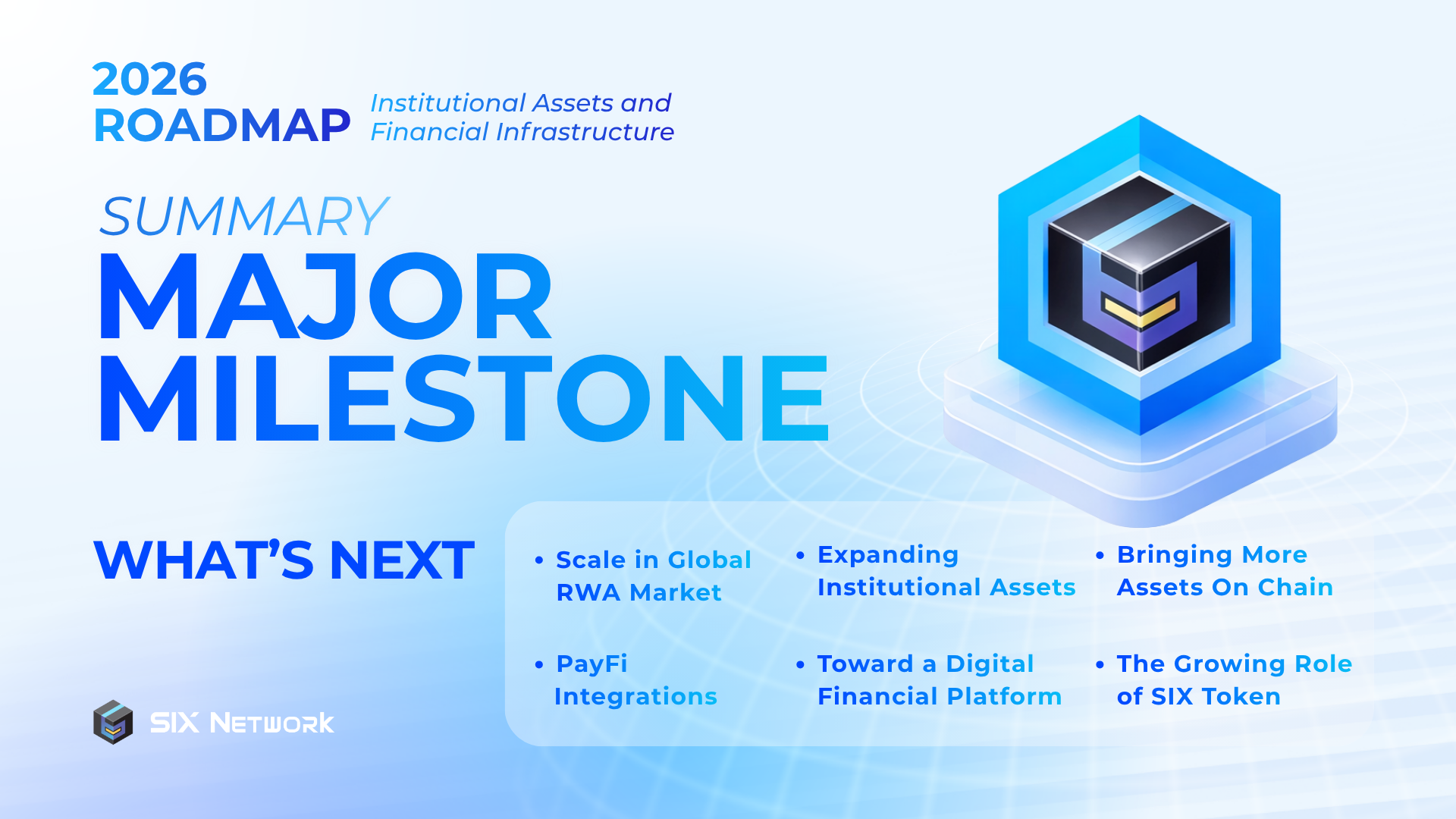
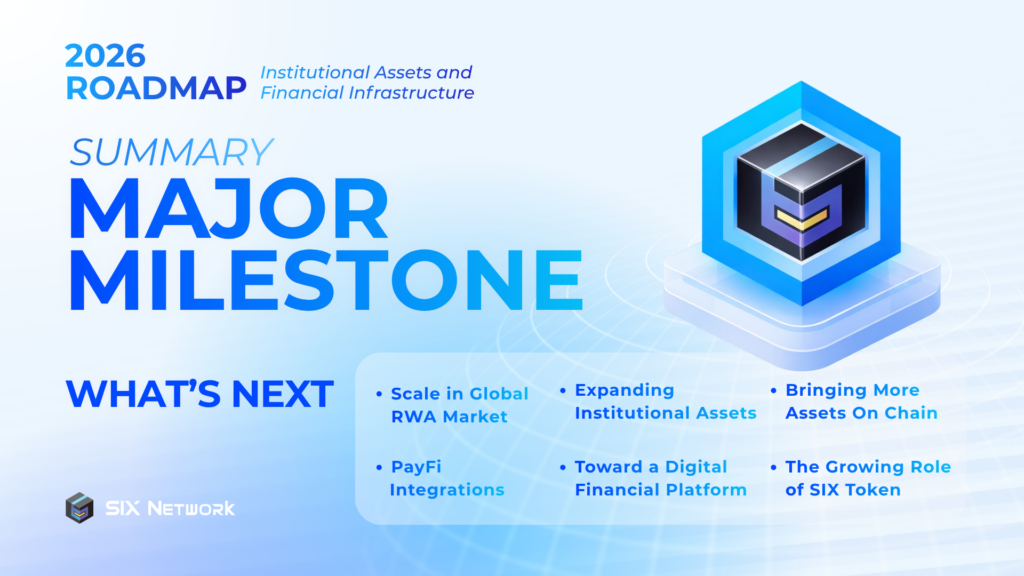
SIX Bridge works closely with SIX Protocol and plays an important role especially in the context of RWA Tokenization, where certain assets may require liquidity or interoperability with larger ecosystems. This is a direction we continue to develop as part of our 2026 roadmap.
4. SIX Scan
The blockchain explorer of SIX Network that allows anyone to verify everything happening on SIX Protocol in real time.
Transparency is a fundamental requirement for RWA Tokenization. Investors and institutions need to be able to verify that assets exist, that transactions are valid, and that all on chain data reflects reality.
SIX Scan serves this role by enabling users, whether retail investors, financial institutions, or partners, to view transactions, track tokenized assets, and monitor wallet activities directly on SIX Protocol without relying on intermediaries.
As SIX Garage continues to produce more tokenized assets, SIX Scan becomes even more important as a trust layer that strengthens the credibility of the entire ecosystem. It is an essential component that cannot be separated from the overall structure.
5. SIX Garage
A tokenization framework designed specifically for enterprises and institutions that want to bring real world assets on chain.
If SIX Protocol is the infrastructure, SIX Garage is the process that transforms real world assets into tokenized assets from start to finish. It covers everything from asset structuring, compliance and governance design, smart contract deployment on SIX Protocol, to post launch management of holder rights.
What makes SIX Garage practically important is that it is not just a tool, but a customizable framework that can be adapted to meet the specific requirements of each organization. This is a key factor for institutions when choosing blockchain infrastructure.
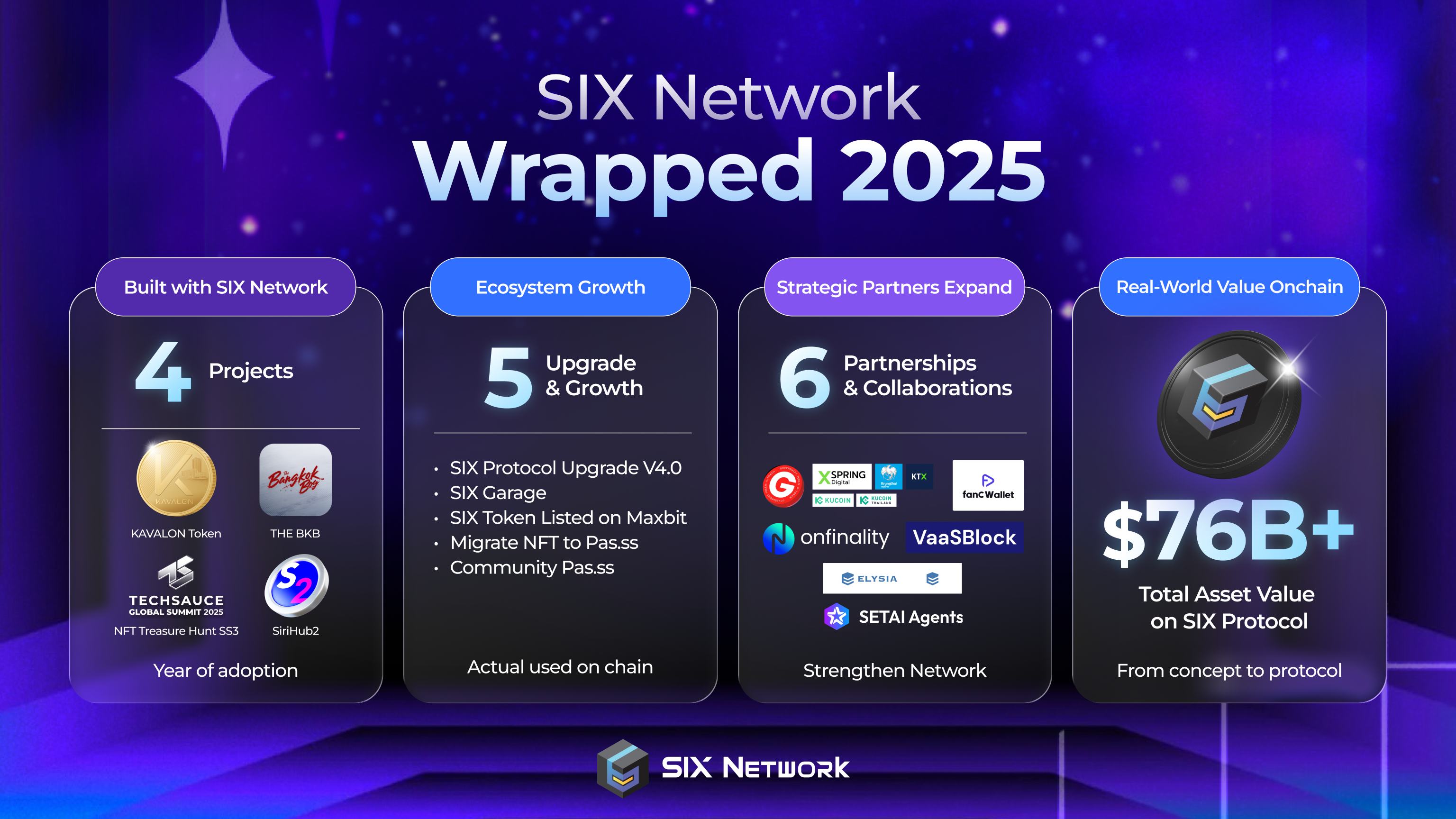
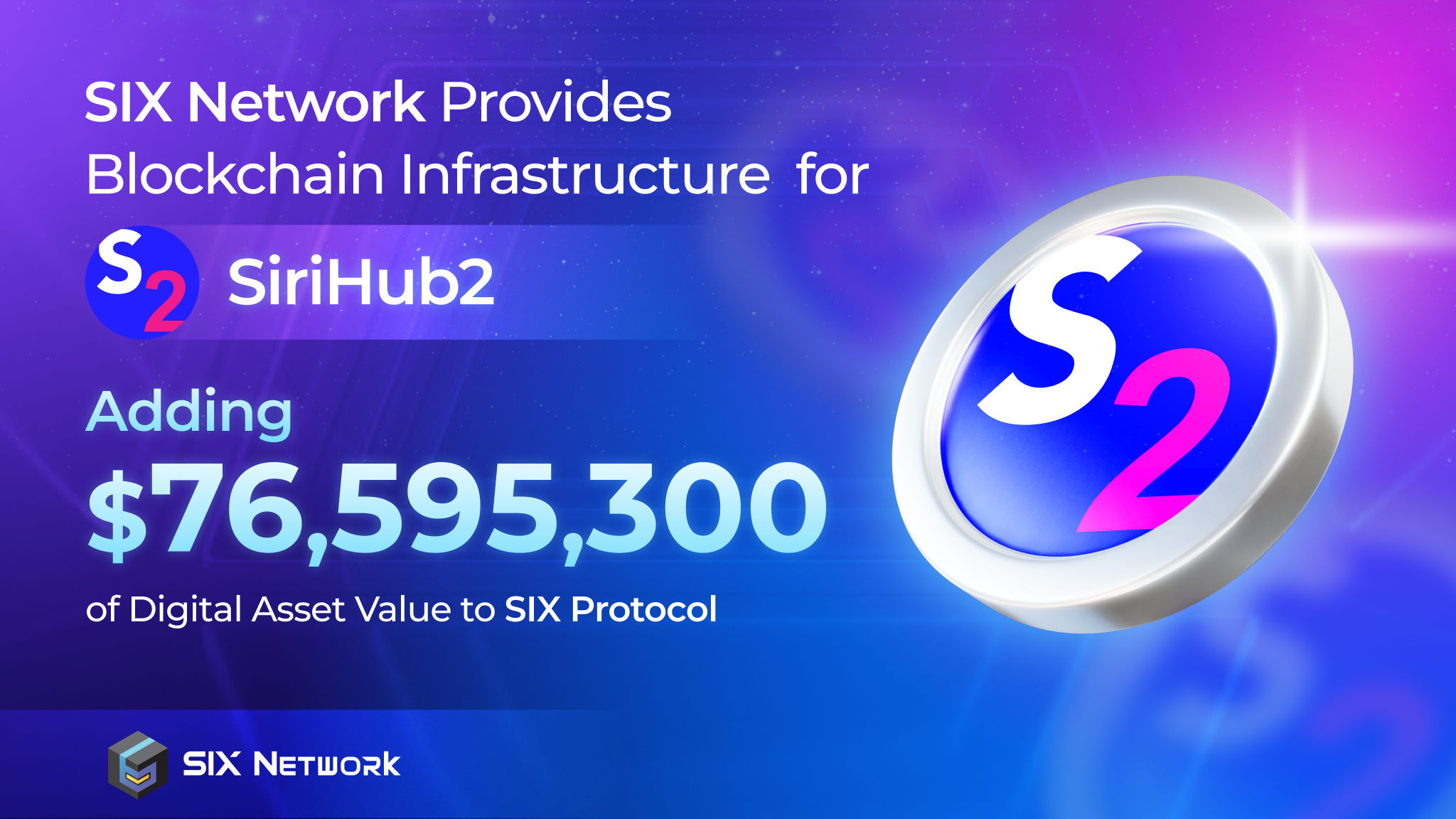
KAVALON and SiriHub2 are two of the first projects that have gone through the tokenization process on SIX Garage, and both exist on chain today as real production assets, not just pilot projects. More recently, AssetWise selected SIX Network to develop the system for AQUAROUS Token, demonstrating how SIX Garage and SIX Protocol continue to support real institutional projects.
6. Pas.ss
A digital privilege management system that allows organizations to create and manage membership and benefits on chain.
The problem Pas.ss solves already exists in everyday systems. Most membership and privilege programs today operate on centralized databases managed separately by each organization. This makes privileges difficult to verify, not transparent, and dependent on whether the organization continues to grant them.
Pas.ss shifts this structure onto blockchain, making privileges verifiable, manageable, and independent of centralized control.
Like all components in the ecosystem, Pas.ss operates on SIX Protocol and is directly connected to SIX Garage in the context of RWA Tokenization. After assets are tokenized, organizations need to manage holder rights and privileges, which Pas.ss supports seamlessly. A clear example is AQUAROUS Token by AssetWise, where privilege management is developed alongside asset tokenization.
In terms of future development, Pas.ss has strong potential to expand as a platform for digital membership, especially as digital assets and their associated privileges become more widely adopted.
All six components are not built separately, but are designed to work together as one system from the beginning.
Every time an organization uses SIX Garage to tokenize assets, the process runs on SIX Protocol, is verified through SIX Scan, manages privileges via Pas.ss, connects to other networks through SIX Bridge, and uses SIX Token throughout the entire flow. No part operates in isolation.
And that is what we mean when we say SIX Network is more than just a token. Every component has a purpose and a role within a much larger system.